Embracing Botanical Elegance: The Rose Decorative Corner
When we talk about building a memorable brand or a striking piece of editorial design, we often get caught up in the main event: the headline typeface. However, the real magic often lies in the details that frame the content. The Rose Decorative Corner. Floral Element. is a perfect example of this philosophy. It isn't just a simple ornament; it is a sophisticated design asset that brings the timeless beauty of ornate botany to your digital and print canvas. Isolated on a clean white background and available in versatile formats like EPS, SVG, and transparent PNG, this element serves as a bridge between classic elegance and modern digital utility.
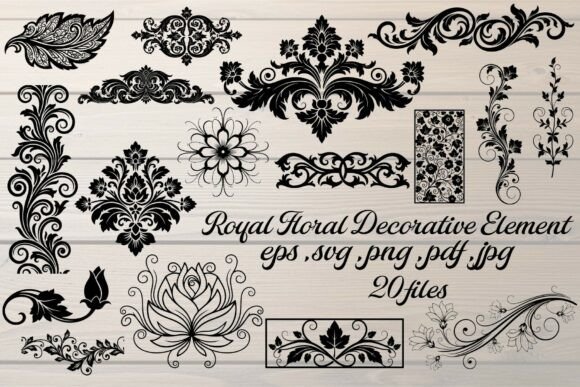
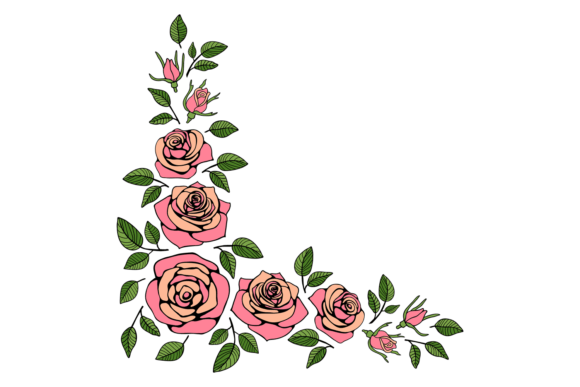
Visually, this floral element is defined by its intricate linework and organic flow. It captures the delicate structure of a rose without relying on heavy, blocky graphics. The "ornate botany" style suggests a level of detail usually found in vintage engravings or high-end stationery, yet it remains crisp enough for modern web design. Because it is isolated on white, it offers incredible versatility. You aren't locked into a specific background color, allowing you to overlay this corner piece onto photography, solid brand colors, or textured backgrounds without the hassle of complex masking. Whether you are using the vector EPS for large-scale print or the transparent PNG for a quick social media post, the element retains its clarity and charm.
Where This Floral Element Fits Best
The practical applications for the Rose Decorative Corner. Floral Element. span across a wide spectrum of creative industries. For logo design and brand identity, it acts as a powerful framing device. Imagine a wedding invitation suite or a high-end skincare brand; placing this corner element on the edges of a business card or letterhead instantly elevates the perceived value of the product. It signals luxury and attention to detail before the recipient even reads a word.
In the realm of editorial design and publishing, this element is a lifesaver for layout artists. It can be used to create elegant chapter headers in book publishing or to frame pull quotes in a magazine spread. For packaging design, particularly in the artisanal food or cosmetics industries, a decorative corner adds a layer of authenticity and craftsmanship. It tells the customer that care went into the presentation.
Digital creators will find equal value here. For web design, the SVG format ensures that the element scales perfectly on any screen size, from mobile phones to 4K monitors, without losing quality. It can be used as a subtle background texture or as a framing device for profile photos. Social media graphics often suffer from a lack of cohesion, but applying a consistent floral corner to your Instagram posts or Pinterest pins can tie your visual feed together, creating a professional and curated look that encourages audience engagement.
Influence on Brand Perception and Visual Hierarchy
Using a design asset like the Rose Decorative Corner. Floral Element. does more than just fill empty space; it actively shapes how your audience perceives your brand. In psychology of design, ornate and organic shapes often evoke feelings of warmth, tradition, and reliability. By incorporating this botanical style, you move your brand identity away from the cold, rigid geometry of standard corporate design and toward something more human and approachable.
Furthermore, decorative elements play a crucial role in visual hierarchy. A plain page of text can be overwhelming. By placing these floral corners at the start of a section, you create a visual entry point for the reader’s eye. It acts as a "stop sign" that draws attention and signals the beginning of a new thought. This improves readability and keeps the user engaged longer, as the design feels intentional and curated rather than chaotic.
Practical Guidance for Designers and Creators
Integrating a premium font or graphic element requires a thoughtful approach to ensure it enhances rather than clutters your work. Here is some practical guidance on how to leverage this botanical asset effectively:
- Evaluating Project Fit: While this element works beautifully for luxury, wedding, and lifestyle brands, it may feel out of place in ultra-minimalist or aggressive industrial designs. Assess the personality of your project. Does it need softness and history? If yes, this is the right choice.
- Font Pairing Strategies: The ornate nature of the rose corner pairs exceptionally well with specific typefaces. For a classic look, combine it with a serif font like Garamond or Baskerville. If you want a more contemporary feel, balance the floral detail with a clean, geometric sans serif font like Helvetica or Montserrat. For a romantic or whimsical vibe, a script font or handwritten font can be used, but ensure the text remains legible at smaller sizes.
- Format Selection:
- Use SVG or EPS for print and large-scale applications to ensure infinite scalability.
- Use Transparent PNG for web overlays where you need a quick drop-in without complex coding.
- Use JPG only if you are placing the element on a white background and need to keep file sizes minimal, though transparency is usually preferred.
- Testing and Licensing: Always review the commercial licensing of your design assets. Ensure the license covers your specific use case, whether it is for merchandise, digital products, or client work. Before finalizing a design, test the element in grayscale to ensure it maintains its structural integrity and doesn't become a muddy blob when photocopied or printed in black and white.
Ultimately, the Rose Decorative Corner. Floral Element. is a versatile tool in the modern designer's arsenal. It respects the traditions of ornate botany while offering the flexibility required by today's fast-paced creative environments. By using it thoughtfully, you can transform a standard layout into a piece of art that resonates with your audience and solidifies your professional reputation.