Bringing Nature Indoors: The Floral Decorative Plants Design
In the world of digital assets, finding a design that captures the essence of organic beauty while maintaining professional versatility can be a challenge. The Flowers Decorative Plants Inside House collection is a premium design resource created to bridge that gap. It is not merely a set of images but a comprehensive visual toolkit intended for creators who need to evoke a sense of natural elegance, tranquility, and organic sophistication in their work. Whether you are a graphic designer working on a client's brand identity, a small business owner developing product packaging, or a content creator looking for fresh social media graphics, this collection offers a distinct aesthetic that stands out.
Visual Characteristics and Style
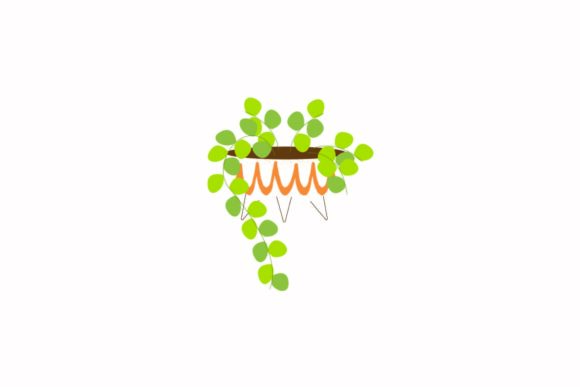
The core appeal of the Flowers Decorative Plants Inside House design lies in its detailed illustration style. It captures the intricate textures of foliage and petals, rendering them with a level of depth that feels both artistic and realistic. The style leans towards a modern botanical illustration, avoiding the overly simplistic flat designs that dominate stock libraries. Instead, it embraces a layered approach where shadows, highlights, and fine line work create a three-dimensional effect. This gives the design a personality that is sophisticated yet welcoming, making it suitable for high-end branding as well as casual lifestyle projects.
The visual language used here is timeless. It avoids fleeting trends in favor of a classic aesthetic that ages well. The composition is balanced, designed to draw the eye naturally across the canvas. This makes it an excellent choice for editorial design, where the goal is to keep the reader engaged without overwhelming the text. The color palette and line weight are carefully calibrated to ensure that the design remains legible and impactful, whether it is used as a full-bleed background or a subtle watermark.
Practical Applications Across Industries
The versatility of this digital product is one of its strongest selling points. Because it is delivered in multiple formats—AI, EPS, SVG, DXF, JPG, and PNG—it integrates seamlessly into almost any workflow. For logo design and brand identity projects, the vector formats (AI, EPS, SVG) allow for infinite scalability. You can use a single leaf element for a business card and the same element for a billboard without losing quality. This scalability is crucial for maintaining a consistent brand image across all touchpoints.
For those in the e-commerce space, the design works exceptionally well for packaging design. Imagine a skincare line or a artisanal tea brand; the floral motifs add an immediate perception of quality and care. In the realm of web design and social media graphics, the high-resolution raster files (JPG, PNG) are ready to use. The 1920px by 1280px canvas size is optimized for digital screens, making it ideal for website hero sections, blog post headers, or eye-catching Instagram posts. The transparent PNG options are particularly useful for layering the plants over different background colors or textures.
Enhancing Brand Perception and Readability
Visual hierarchy is a fundamental principle of design, and the Flowers Decorative Plants Inside House asset helps establish it effectively. When used as a background element, the organic shapes can guide the viewer's eye toward the main focal point—usually typography. However, readability is paramount. A common mistake is using a busy floral background behind dense body text. Instead, this design works best when paired with clean typography. Using a bold sans serif font or a structured serif font for headlines against the botanical background creates a striking contrast. The natural curves of the plants soften the rigidity of the text, making the overall layout feel more approachable.
For brand perception, incorporating natural elements signals reliability, growth, and attention to detail. It moves a brand away from the cold, sterile look of generic corporate design and towards a more human-centric aesthetic. This is particularly relevant for businesses in the wellness, interior design, fashion, and lifestyle sectors. The design acts as a silent ambassador for the brand's values before a single word is read.
Technical Specifications and Usability
Understanding the technical assets included in this package is key to maximizing its value. The inclusion of DXF files is a significant benefit for crafters and hobbyists. This format is standard for CNC machines and cutting plotters like Cricut or Silhouette. If you are creating physical products—such as vinyl decals for home decor, stencils for painting, or intricate paper cutouts—the DXF file ensures precision cutting.
The SVG format is the gold standard for modern web design. It keeps file sizes small while maintaining crisp edges on any screen resolution, which is essential for website performance and SEO. Meanwhile, the AI and EPS files provide the flexibility needed for professional print production. They allow designers to edit individual layers, change colors to match specific brand palettes, and modify the composition to fit unique layouts.
Strategic Design Recommendations
To get the most out of the Flowers Decorative Plants Inside House design, consider a few strategic approaches. First, think about negative space. While the design is beautiful on its own, it often works best when cropped or used selectively. A single branch extending from the corner of a social media graphic can be more effective than covering the entire canvas. This creates a "less is more" effect that feels curated rather than cluttered.
Second, experiment with font pairing. Because the floral design is intricate, pairing it with a modern typography style often yields the best results. A geometric sans serif font provides a clean counterpoint to the organic curves. Alternatively, a classic serif font can enhance the traditional, botanical feel. Avoid using overly decorative script fonts or handwritten fonts directly on top of the busiest parts of the illustration, as this can lead to visual confusion and poor readability.
Finally, consider the context of use. If you are designing for print, ensure your color mode is set to CMYK when editing the vector files. For digital use, RGB is standard. The ability to edit the premium font and design assets according to your specific needs is what separates a generic template from a professional design tool. This collection is designed to be a starting point—a high-quality foundation that you can build upon to create something truly unique for your audience. By leveraging the various file formats and applying sound design principles, you can transform these decorative plants into a powerful component of your visual storytelling.