Elevate Projects with Decorative Flower Corner Silhouette
There are moments in design when you need to add a touch of nature and elegance without overwhelming the main content. You want something that frames, accents, and enhances—a visual flourish that feels both intentional and organic. This is precisely the role of a Decorative Flower Corner Silhouette. It’s not a font in the traditional sense, but a premium graphic asset designed to bring botanical beauty to your creative work. Think of it as a sophisticated design element, a collection of ornate floral vectors that can transform a simple layout into something memorable.
Understanding the Visual Character and Appeal
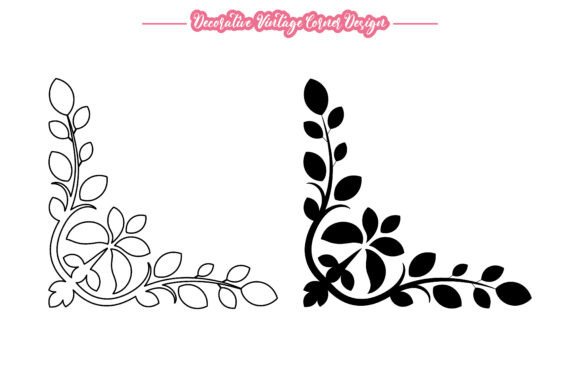
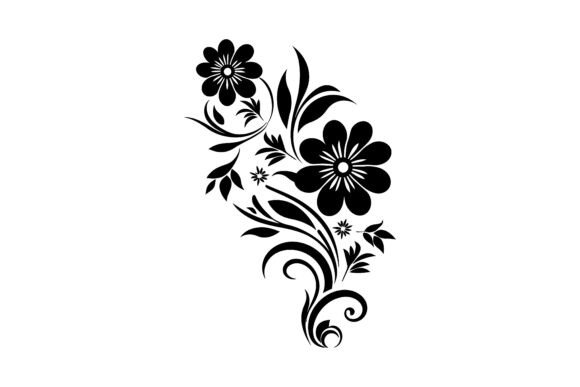
A Decorative Flower Corner Silhouette is characterized by its intricate, flowing lines that mimic natural growth. The style often features a combination of delicate petals, winding stems, and detailed leaves, all arranged to fit neatly into the corner of a design. Its personality is one of refined grace and timeless charm. The silhouette format—typically a solid shape—makes it incredibly versatile. It can be used as a bold, dark accent on a light background or inverted to create a light, airy pattern on a darker canvas. This adaptability allows it to complement a wide range of modern typography, from clean sans serif fonts to elegant serif typefaces and even flowing script fonts.
The appeal lies in its ability to add depth and context. A single corner flourish on a wedding invitation immediately sets a romantic, celebratory tone. Used on a business card, it can communicate attention to detail and a commitment to quality. For a blogger or content creator, incorporating this element into graphics or featured images can establish a consistent, recognizable aesthetic that stands out in a crowded feed.
Where This Design Asset Truly Shines
The true strength of a Decorative Flower Corner Silhouette is its cross-platform utility. In brand identity work, it can become a subtle hallmark. Imagine it tucked into the corner of a logo presentation, on letterheads, or as a recurring motif in packaging design. It helps build a cohesive visual language that feels curated and professional.
For editorial design and publishing, these florals are perfect for chapter headings in books, margins of elegant stationery, or as decorative elements in magazine layouts. In the digital realm, they elevate web design and social media graphics. A corner silhouette can frame a quote, accent a product photo, or add personality to a website's header or footer without slowing down load times, especially when optimized as an SVG or lightweight PNG.
Practitioners across the creative spectrum will find value. Marketers can use them to make brochures and flyers more visually engaging. Entrepreneurs and small business owners can apply them to product tags, thank-you cards, or promotional materials to add a handcrafted, premium feel. Even for personal projects like scrapbooking or custom invitations, this asset provides a level of polish that’s hard to achieve with basic shapes or overused clip art.
Integrating for Impact: Readability, Hierarchy, and Perception
Using decorative elements effectively is about balance. A well-placed Decorative Flower Corner Silhouette enhances visual hierarchy by guiding the viewer’s eye. It can create a focal point that draws attention to a headline or a key piece of information. The organic lines provide a soft contrast to geometric typography, improving overall readability by giving the eye a place to rest.
From a brand perception standpoint, such details signal thoughtfulness. They suggest that a brand cares about aesthetics and the user experience, which can foster greater audience engagement. Consistency is key; using the same floral style across different touchpoints—from your website to your email newsletter to your physical packaging—builds recognition and reinforces your brand's personality. It turns a generic layout into a signature look.
Practical Guidance for Selection and Use
When evaluating a set like the Decorative Flower Corner Silhouette package, consider a few practical points. First, examine the file formats. An EPS 10 file is ideal for professional work in Adobe Illustrator or similar software, offering full editability. Check if the elements are truly fully editable—can you easily change colors, scale without quality loss, and isolate individual stems or flowers? This complete control is what separates a premium font or asset from basic clip art.
Test how the silhouettes interact with your chosen typography. Do they complement a handwritten font for a whimsical project, or do they better suit a bold display font for a luxury brand? Always review the included styles. A good set will offer variations that allow you to adapt the density and complexity of the flourish to your project's needs. For commercial font and asset use, verify the licensing. Ensure it covers your intended applications, whether for client work, merchandise, or digital products.
Ultimately, this kind of creative font accessory is a tool for expression. It empowers you to add a layer of sophistication and nature-inspired beauty to your work with confidence and ease. By choosing high-quality, versatile design assets, you invest in the tools that help bring your creative vision to life, ensuring every project not only meets but exceeds your artistic standards.