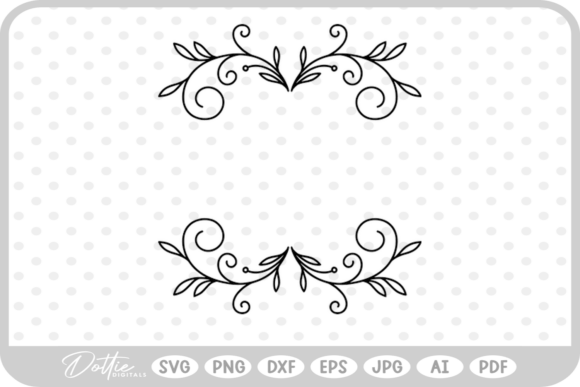
Botanical Decorative Frame SVG PNG DXF: Elevate Your Crafts
In the world of design, the frame is often just as important as the content it surrounds. Whether you are designing a wedding invitation, a product label, or a piece of wall art, the right border can anchor the viewer's eye and define the mood of the piece. This is where the Botanical Decorative Frame SVG PNG DXF collection comes into play. These are not just simple outlines; they are intricate, nature-inspired elements designed to bring an organic, sophisticated touch to your creative workflow. If you are looking to bridge the gap between digital precision and natural aesthetics, understanding how to leverage these high-quality cutting files is essential for any serious designer or hobbyist.
The Anatomy of Botanical Elegance
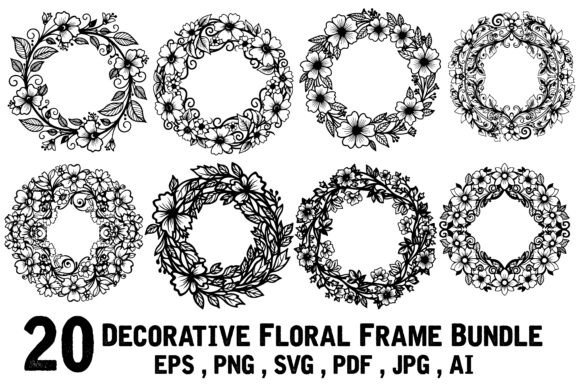
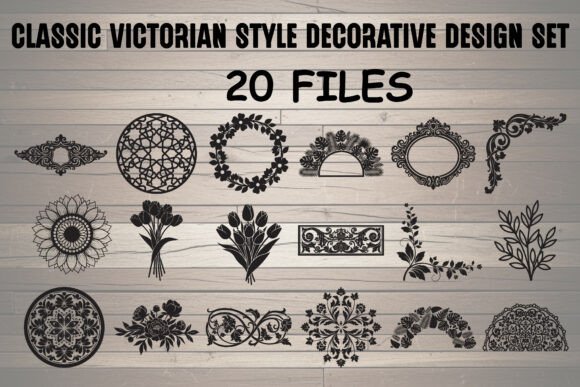
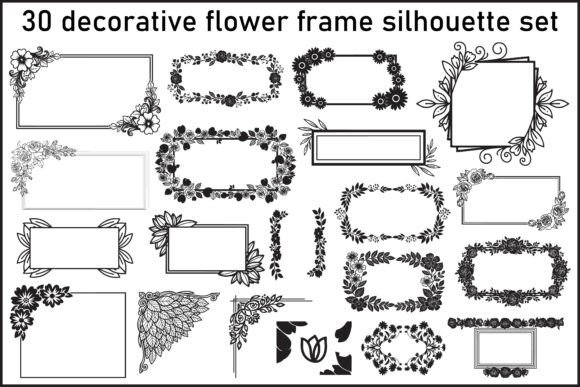
At its core, the Botanical Decorative Frame SVG PNG DXF collection is about versatility and detail. Visually, these frames typically feature elements drawn from nature—think delicate vines, curling leaves, blooming flowers, and symmetrical branches. The style often leans toward a vintage or classical aesthetic, reminiscent of old-world book illustrations or Victorian-era stationery. However, the modern digital execution ensures that the lines are clean and scalable, making them suitable for contemporary web design and social media graphics as well.
The "personality" of these assets is one of refinement and organic warmth. Unlike harsh geometric borders, botanical frames soften the content they hold. They evoke feelings of growth, elegance, and timelessness. For a graphic designer or content creator, this means you can instantly elevate a flat design into something that feels textured and premium. The files are provided in multiple formats—SVG, PNG, DXF, AI, JPG, and PDF—ensuring that whether you are using Adobe Illustrator, CorelDRAW, or a desktop cutting machine, the vector integrity remains intact. This variety is crucial for maintaining high resolution across different media.
Practical Applications for Creators and Entrepreneurs
Understanding the file formats is the first step to mastering these design assets. The SVG (Scalable Vector Graphics) and DXF (Drawing Exchange Format) files are the gold standard for cutting machines. If you own a Cricut or Silhouette, these formats allow the machine blade to follow the intricate paths of the botanical design with absolute precision. This opens up a world of possibilities for physical products.
Imagine creating custom decals for planners, intricate vinyl cutouts for mugs, or delicate lace-like overlays for card making. For small business owners and entrepreneurs, this capability translates directly to product differentiation. You can create packaging design elements that stand out on the shelf—think of a soap label wrapped in a vine frame or a candle box accented with floral corners. The PNG format, often provided with a transparent background, is perfect for digital projects, allowing you to overlay the frame onto photos in Photoshop or Canva for quick social media graphics.
Integrating Frames into Your Brand Identity
While these files are decorative, they play a significant role in brand identity and visual hierarchy. When used in editorial design or packaging design, a botanical frame can communicate specific values without a single word. A dense, lush frame might suggest luxury and abundance, ideal for high-end beauty products or gourmet foods. Conversely, a minimalist line-art botanical frame suggests eco-friendliness, sustainability, and modern simplicity, perfect for organic brands or lifestyle bloggers.
For marketers and publishers, these frames help guide the reader's eye. Placing a key statistic or a customer testimonial inside a decorative frame draws attention to that specific piece of information. It breaks up the monotony of text-heavy layouts and adds a visual resting point. However, it is vital to exercise restraint. The visual weight of a detailed botanical frame is heavy; if you pair it with a complex background or a highly ornate display font, the result can be cluttered and unreadable. The goal is to let the frame enhance the content, not compete with it.
Mastering the Design Process
To get the most out of the Botanical Decorative Frame SVG PNG DXF files, you need to approach them with a strategic mindset. First, consider the font pairing. Because these frames are often detailed and organic, they pair best with typefaces that offer contrast or complement. A clean sans serif font works beautifully inside a botanical frame, creating a modern balance between the organic border and the digital text. Alternatively, a legible script font or handwritten font can enhance the romantic, natural feel of the frame, provided the x-height is sufficient for readability.
When evaluating the fit for your project, test the scalability. While vector files are infinitely scalable, the physical limitations of your medium matter. If you are making small stickers, ensure the intricate details of the leaves won't turn into a solid blob when cut at a small size. Conversely, for large framed artwork, the design needs to hold its structure without looking empty or sparse.
Finally, always be mindful of color and printing techniques. The prompt notes that colors may look different due to monitor settings, which is a standard reality in digital design. When transitioning from screen to print—especially with CMYK conversions or specialty inks like foil or white ink on kraft paper—always run a test print. The "final result might vary based on the printing technique used," so a digital proof is never 100% accurate for physical texture and ink absorption. By combining these high-quality premium font assets and decorative elements with a thoughtful design strategy, you can create cohesive, professional work that resonates with your audience and elevates your creative output.